
Frequent snoring can sometimes interfere with continuous, comfortable sleep for the person who snores and may also disturb a sleeping partner. When upper-airway tissues vibrate during sleep, the resulting noise can contribute to repeated disturbances and an uncomfortable nighttime experience. Anti Snoring Laser Treatment may help reduce snoring in appropriately selected individuals by addressing tissues involved in airway vibration. When snoring becomes less disruptive, some people may experience a more comfortable and uninterrupted sleep pattern.
What Causes Sleep Interruptions During Snoring?
Sleep interruptions can happen for several reasons. Loud snoring may be accompanied by brief awakenings or changes in sleep position, particularly when the airway becomes partially restricted. The person may not always remember waking during the night. Instead, they may notice symptoms such as restless sleep, waking several times, dry mouth, or feeling less refreshed in the morning.
Can Reducing Snoring Support Better Sleep?
Reducing disruptive snoring may contribute to a quieter and more comfortable sleeping environment. Research involving selected patients treated with Er:YAG laser approaches has reported improvements in subjective sleep quality alongside reductions in snoring.
However, the relationship between snoring and sleep interruptions differs between individuals. Treating the sound alone does not necessarily resolve every cause of disturbed sleep.
How Does Laser Therapy Target Snoring?
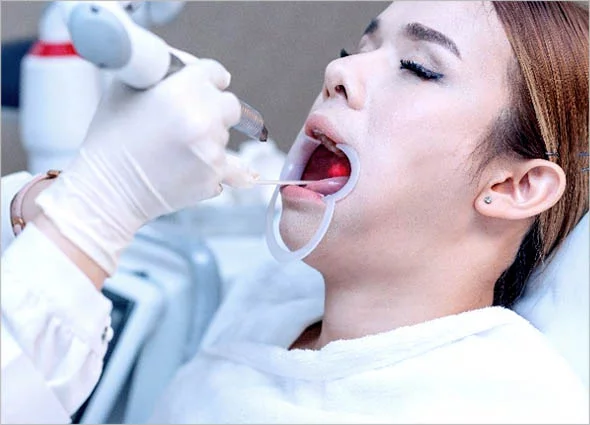
Non-ablative laser treatment can deliver controlled energy to selected upper-airway tissues. The objective is to influence tissues that may become relaxed or vibrate during sleep.
By targeting appropriate tissues, treatment may reduce the degree of vibration responsible for snoring. The response depends on individual anatomy and the factors contributing to the person's symptoms.
Could Less Snoring Mean Fewer Disturbances?
For some people, reducing the intensity of persistent snoring may make nighttime sleep less disruptive. A quieter airway environment can also benefit a partner whose sleep is repeatedly disturbed by loud snoring.
The potential improvement depends on whether snoring is the main factor affecting sleep. If another sleep disorder is responsible for repeated awakenings, laser therapy alone may not address the underlying problem.
Can It Improve Subjective Sleep Quality?
Some studies of laser treatment for selected snorers have reported improvements in patient-reported sleep quality. These findings suggest that reducing snoring may be associated with a more comfortable perception of nighttime sleep.
Subjective improvement is different from proving that every type of sleep disturbance has been eliminated. Patients should therefore maintain realistic expectations about what treatment can accomplish.
Does Treatment Work the Same Way for Everyone?
No. Snoring has many possible causes, and individual anatomy can strongly influence treatment response. Factors involving the soft palate, tongue, nasal passages, sleeping position, and general health may all be relevant.
A personalized assessment can help determine whether the tissues contributing to a person's snoring are suitable targets for laser therapy.
Is Laser Treatment a Surgical Procedure?
Many modern laser approaches used for snoring are designed as non-surgical or minimally invasive treatments. Unlike traditional surgery, the procedure does not necessarily require cutting or removing airway tissue.
This can make laser therapy an option for selected patients who prefer a less invasive approach. The exact procedure and expected recovery should be discussed during consultation.
Can It Help a Snoring Partner Sleep Better?
Snoring can affect two people rather than just one. A partner may experience repeated awakenings because of loud or irregular nighttime noise, even when the person who snores remains asleep.
If treatment successfully reduces disruptive snoring, the partner may experience a quieter sleeping environment. This can be an important practical consideration when exploring treatment.
What If Sleep Interruptions Continue After Treatment?
Continued sleep disturbances do not necessarily mean that the treatment has failed. Sleep can be affected by numerous factors unrelated to snoring, including stress, sleep habits, nasal congestion, medications, and other sleep conditions.
If frequent awakenings continue, further evaluation may help identify the underlying reason instead of assuming that snoring is the only cause.
Can Laser Therapy Treat Sleep Apnea?
Laser therapy for snoring should not automatically be considered a treatment for obstructive sleep apnea. Some research has investigated laser approaches in selected patients with mild to moderate sleep-related breathing problems, but evidence and treatment suitability vary.
People experiencing breathing pauses, choking or gasping during sleep, or significant daytime sleepiness should seek appropriate medical assessment. Treating snoring without identifying possible sleep apnea may overlook an important underlying condition.
What Symptoms Should Not Be Ignored?
Persistent snoring accompanied by certain symptoms deserves further evaluation. These may include:
- Noticeable pauses in breathing during sleep
- Repeated choking or gasping at night
- Significant daytime sleepiness
- Morning headaches
- Difficulty concentrating during the day
- Persistent nighttime breathing difficulties
These symptoms can occur with sleep-related breathing disorders and should not simply be attributed to ordinary snoring.
How Many Treatments May Be Needed?
The number of sessions depends on the laser technology, treatment protocol, tissue characteristics, and individual response. Some clinical studies have used multiple treatment sessions rather than a single appointment.
During consultation, the provider can explain the recommended schedule and what changes may reasonably be expected between sessions.
Can Results Last Over Time?
Some studies have reported that improvements in subjective sleep outcomes can persist after treatment, while other research suggests that some patients may eventually need maintenance treatment.
This means patients should view laser therapy as an individualized treatment rather than assuming that improvement will necessarily be permanent. Follow-up can help determine whether additional care is appropriate.
Why Is Individual Assessment Important?
A proper assessment helps distinguish ordinary snoring from symptoms that may indicate a more significant sleep-related breathing problem. It also allows the treatment provider to examine whether upper-airway tissues are likely to be contributing to the snoring.
This information can help determine whether laser therapy is appropriate or whether another treatment or further evaluation would be more suitable.
Dynamic Life Clinic for Snoring Concerns
Dynamic Life Clinic offers personalized treatment planning for individuals looking for solutions to persistent snoring. During consultation, symptoms, possible contributing factors, and treatment expectations can be discussed before deciding whether laser therapy is appropriate.
A personalized approach is important because reducing snoring does not necessarily address every reason someone may experience interrupted sleep. Identifying the underlying concern can help guide a more appropriate treatment plan.
Checkpoint Before Choosing Laser Therapy
Before considering treatment, patients should think about:
- How frequently snoring occurs
- Whether sleep interruptions happen regularly
- Whether a partner notices breathing pauses
- Whether daytime tiredness is present
- Whether nasal or airway problems may contribute
- What type of laser treatment is being proposed
- What improvement can realistically be expected
These considerations can help patients have a more productive consultation and understand whether laser therapy matches their needs.
Conclusion
Anti-snoring laser therapy may help reduce sleep disruption when snoring caused by suitable upper-airway tissue factors is contributing to an uncomfortable nighttime environment. By potentially reducing tissue vibration and snoring intensity, treatment may support quieter and more comfortable sleep for appropriately selected individuals. However, persistent sleep interruptions can have many causes. If snoring occurs alongside breathing pauses, gasping, choking, or excessive daytime sleepiness, further evaluation may be important. A personalized assessment can help determine whether laser treatment is suitable and whether another underlying sleep concern needs attention.