
Buttock augmentation surgery is a cosmetic procedure that can improve buttock volume, shape, and overall body proportions. Some individuals choose this treatment because they feel their lower body lacks fullness or appears less balanced compared with their waist, hips, or thighs. Buttock Augmentation in Dubai may help suitable patients enhance their natural contours, and Dynamic Life Clinic offers consultations to discuss individual aesthetic goals. The purpose is not simply to increase buttock size but to create a shape that complements the patient's existing body structure.
Understanding Body Balance and Proportions
Body balance refers to how different areas of the body relate to one another in terms of shape, volume, and proportion. The waist, hips, buttocks, and thighs all contribute to the appearance of the lower body. When one area has less volume than the surrounding areas, some individuals may feel that their silhouette lacks the curves they prefer. Buttock augmentation can add volume to selected areas and improve the overall contour. The extent of improvement depends on natural anatomy, skin quality, treatment technique, and individual healing. A surgeon considers the entire lower-body profile rather than focusing on one area in isolation.
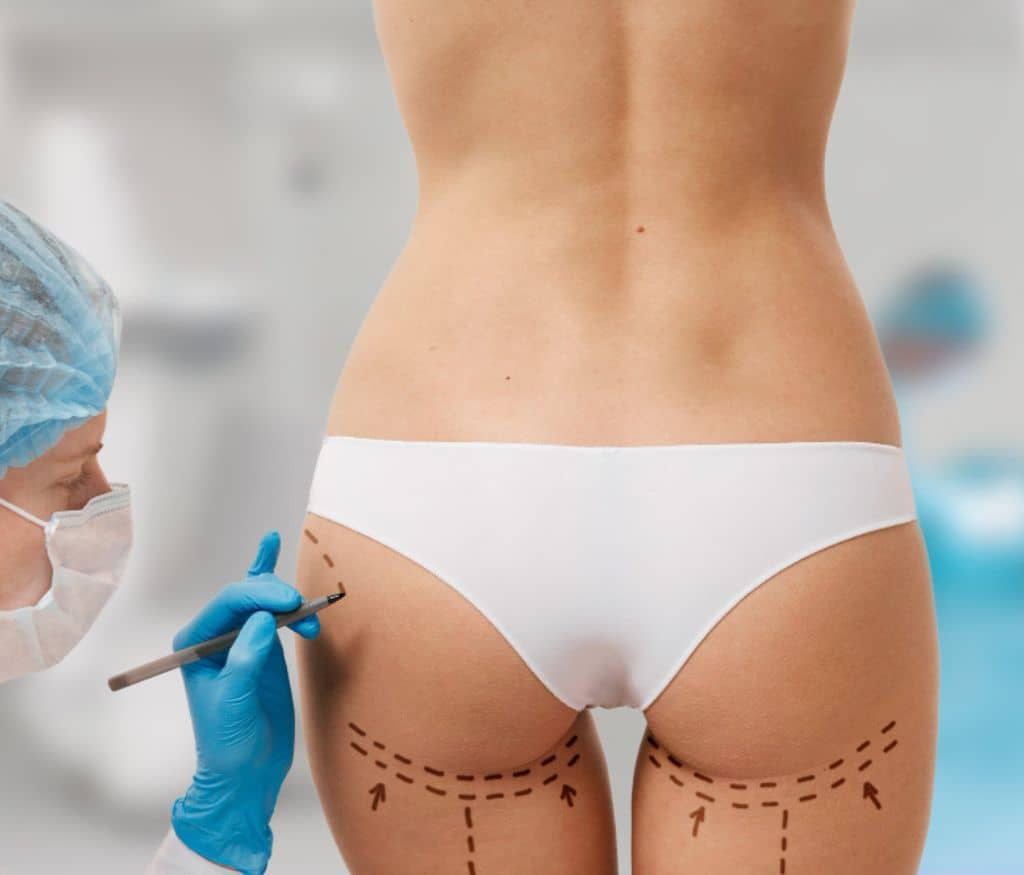
How Buttock Augmentation Can Improve Lower-Body Contours
Buttock augmentation may help create a fuller appearance and improve the transition between the waist, hips, and thighs. Adding suitable volume can make the buttocks more defined and may create a more proportionate silhouette when viewed from different angles. The procedure can address concerns such as limited buttock projection, reduced fullness, or certain contour irregularities. However, it cannot change the underlying bone structure or guarantee a particular body shape. The treatment plan should reflect the patient's natural proportions and focus on realistic improvements.
The Role of Fat Transfer in Creating Balanced Curves
Fat transfer is one method of buttock augmentation. It involves removing fat from selected body areas through liposuction, processing the collected fat, and transferring it to specific regions of the buttocks. This approach may be suitable for patients who have enough donor fat and want to improve their contours using their own tissue. The surgeon can plan the distribution of transferred fat according to the patient's anatomy and desired shape. Fat may be used to improve certain areas of fullness or soften contour transitions. However, some transferred fat is naturally reabsorbed, so the final volume can vary. Gluteal fat transfer also carries serious risks and requires appropriate patient selection and strict surgical safety practices.
How Buttock Implants Affect Body Proportions
Buttock implants offer another option for patients seeking additional volume, particularly when they do not have enough donor fat for transfer. These implants are selected and placed according to the patient's anatomy and the surgeon's treatment plan.
Implants may increase projection and fullness, which can influence the overall lower-body silhouette. However, choosing an implant that is too large for the patient's frame may create an unnatural appearance or increase complications. A qualified surgeon evaluates tissue coverage, body proportions, and medical suitability before recommending this approach.
Factors That Influence Overall Body Balance
The appearance of balanced curves depends on several physical and surgical factors. The amount of volume added is only one part of the planning process. A suitable treatment should take the patient's existing shape into account and avoid excessive enhancement.
Important factors include:
- Waist-to-hip proportions: The relationship between the waist and hips influences the appearance of the lower body.
- Natural bone structure: Pelvic width and skeletal anatomy affect the body's overall silhouette.
- Buttock shape: Existing fullness, projection, and contour help guide treatment planning.
- Thigh proportions: The shape of the thighs can influence how the buttocks appear in relation to the lower body.
- Skin elasticity: Skin quality affects how tissues adapt after changes in volume.
- Weight stability: Significant weight changes may alter the appearance of the results.
- Individual expectations: Treatment goals should be realistic and suitable for the patient's anatomy.
The Importance of Personalised Treatment Planning
No single buttock shape or volume is suitable for every person. Some patients prefer subtle enhancement, while others want more noticeable fullness or projection. The surgeon must understand these preferences while considering medical suitability and natural body proportions.
During consultation, the surgeon assesses the buttocks, hips, waist, thighs, and available donor fat if fat transfer is being considered. This evaluation helps determine whether fat transfer or implants may be appropriate. It also provides an opportunity to discuss limitations, potential complications, and the likely outcome based on the patient's anatomy.
Recovery and Its Effect on the Final Body Shape
Recovery plays an important role in the final appearance after buttock augmentation. Swelling, bruising, and temporary discomfort are common during the initial healing period. The treated area may look different at first, and the shape can change as swelling decreases and tissues recover.
After fat transfer, patients are generally given instructions to avoid direct pressure on the buttocks for a specified period. This helps protect the transferred fat while healing takes place. Implant patients may have different sitting, sleeping, and activity restrictions. Following the surgeon's instructions and attending follow-up appointments are important parts of recovery.
Checkpoint: Important Considerations Before Buttock Augmentation
Patients should understand the potential benefits and limitations of buttock augmentation before deciding to undergo surgery. A careful assessment helps establish whether the procedure can address their concerns safely and realistically.
Consider these points before treatment:
- Discuss which areas of your body you want to improve.
- Ask whether fat transfer or implants are more suitable for your anatomy.
- Understand that surgery cannot change your natural bone structure.
- Review the possible complications associated with the selected technique.
- Discuss how weight changes may affect your long-term body contours.
- Follow all pre-operative and post-operative medical instructions.
- Allow enough time for recovery before returning to strenuous activities.
Dynamic Life Clinic: Personalised Buttock Augmentation Care
At Dynamic Life Clinic, patients can discuss their desired body proportions and treatment concerns during an individual consultation. The assessment considers factors such as existing body shape, medical history, skin quality, and donor fat availability. Understanding these details helps the surgical team explain suitable options, realistic expectations, and the recovery requirements associated with buttock augmentation.
Frequently Asked Questions
Buttock augmentation can influence the appearance of the lower body, but results depend on individual anatomy and the selected technique. The following answers explain how the procedure may affect body proportions and what patients should understand before treatment.
1. Can Buttock Augmentation Improve the Waist-to-Hip Appearance?
Buttock augmentation may improve the visual relationship between the waist, hips, and buttocks by adding volume to selected areas. The degree of change depends on the patient's natural anatomy and the treatment plan. It does not directly reduce waist size unless a separate procedure is performed.
2. Can Buttock Augmentation Make the Lower Body Look Fuller?
Yes, the procedure can increase buttock volume and create a fuller lower-body appearance. Fat transfer and implants achieve this in different ways. The amount of enhancement depends on individual suitability, surgical technique, and healing.
3. Does Buttock Augmentation Correct Uneven Body Proportions?
It may improve certain contour differences by adding volume to selected areas. However, not all differences can be corrected through buttock augmentation, especially when they are related to bone structure or other anatomical factors. A surgeon can explain which improvements may be realistic.
4. Can Buttock Augmentation Create a More Defined Side Profile?
Buttock augmentation may improve projection and fullness when viewed from the side. The final appearance depends on existing anatomy, the amount of enhancement, and the selected technique. A personalised plan is important to avoid excessive or disproportionate volume.
5. Will Weight Changes Affect Body Balance After Surgery?
Yes, significant weight changes can affect the appearance of buttock augmentation results. Weight gain or loss may change fat distribution and alter body proportions. Maintaining a relatively stable weight can help preserve the overall appearance, although natural changes may still occur over time.
Conclusion
Buttock augmentation surgery may improve body balance by adding volume, enhancing projection, and refining the relationship between the buttocks, hips, waist, and thighs. Fat transfer and implants offer different approaches, but neither can change the body's underlying bone structure or guarantee a specific silhouette. Careful patient selection, personalised surgical planning, realistic expectations, and proper recovery are essential when considering this procedure.