
Face rejuvenation surgery can help restore youthful facial contours by addressing age-related volume loss, hollow areas, and changes in facial proportions. As people age, the cheeks may lose fullness, the temples can become hollow, and the jawline may appear less defined. These changes can make the face look tired or older than expected. Face Rejuvenation in Dubai using fat transfer may improve facial balance by moving a person's own fat from areas such as the abdomen or thighs to selected parts of the face. The suitability of this procedure depends on facial anatomy, skin condition, available donor fat, and individual aesthetic goals.
Understanding Changes in Facial Contours With Age
Youthful facial contours are influenced by facial bone structure, fat distribution, skin elasticity, and the position of supporting tissues. Over time, changes in these structures can lead to flatter cheeks, hollow temples, deeper folds around the nose and mouth, and reduced definition along the jawline. Collagen loss and reduced skin elasticity may also contribute to wrinkles and sagging. These changes do not occur at the same rate in everyone. Understanding whether a concern results mainly from volume loss, loose skin, or shifting tissues helps determine which rejuvenation treatment may provide the most suitable improvement.
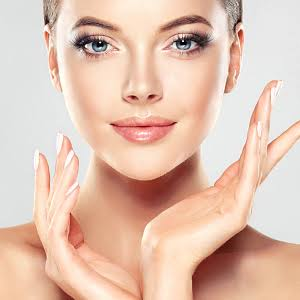
Restoring Volume to Hollow Cheeks
Full cheeks contribute to a balanced and youthful facial appearance. When facial fat decreases or shifts with age, the cheeks may look sunken, making nearby folds more noticeable. Facial fat transfer can restore volume by placing carefully prepared fat into selected areas of the cheeks. This may create a softer transition between the lower eyelids, cheeks, and midface. The objective is to improve natural-looking proportions rather than make the face appear excessively full. The amount of fat required depends on the degree of volume loss, facial structure, and the desired result.
Improving Temple and Under-Eye Contours
Hollow temples and under-eye depressions can make the face appear tired or aged. In suitable patients, fat transfer may add volume to these areas and create smoother transitions between surrounding facial features. Under-eye treatment requires particular care because the skin is thin and irregularities may become visible. The surgeon must assess whether the hollow appearance is caused by volume deficiency, prominent fat pockets, loose skin, or another concern. Different causes may require different treatments, and fat transfer is not appropriate for every under-eye condition.
Enhancing Jawline Definition and Facial Balance
The jawline plays an important role in overall facial proportions. Age-related volume changes can affect the appearance of the lower face, while loose skin and tissue descent may contribute to jowls and a less defined jawline. Fat transfer may help improve selected contour irregularities or restore volume where needed. However, adding fat does not directly remove excess skin or reposition sagging tissues. Patients with significant skin laxity may require a lifting procedure or another approach to improve the lower face. A personalised assessment helps establish which treatment addresses the underlying concern.
Creating More Balanced Facial Proportions
Facial rejuvenation aims to improve harmony between different facial features rather than change a person's natural identity. Restoring volume to the cheeks or temples may improve the relationship between the upper, middle, and lower portions of the face. Fat transfer may also be used to address selected depressions or mild asymmetry. The treatment plan should account for facial width, bone structure, existing tissue volume, and the way features look from different angles. Conservative treatment planning can help avoid an overfilled appearance and support balanced, natural-looking contours.
Checkpoint: What Facial Fat Transfer Can and Cannot Do
Facial fat transfer can restore lost volume and improve selected contours, but it cannot reverse every aspect of facial ageing. It does not reliably tighten significant loose skin, remove all deep wrinkles, or reposition descended facial tissues. Some transferred fat is naturally absorbed during healing, so the final result may differ from the initial appearance and further treatment may occasionally be considered. Common temporary effects include swelling, bruising, and tenderness. Other risks include infection, asymmetry, contour irregularities, fat necrosis, and rare but serious vascular complications. Patients should discuss these limitations with a qualified surgeon before proceeding.
Recovery and Long-Term Results
Recovery varies according to the areas treated and the extent of the procedure. Swelling and bruising may temporarily make the face look fuller or uneven, so early results do not represent the final outcome. Some transferred fat is absorbed during the first few months, and the remaining fat may provide longer-lasting volume once healing stabilises. Final contours can take several months to assess. Maintaining a relatively stable weight may help preserve the appearance of the results because transferred fat can change with body-weight fluctuations. Following aftercare instructions and attending scheduled reviews are important parts of recovery.
Face Rejuvenation at Dynamic Life Clinic
At Dynamic Life Clinic in Dubai, people interested in restoring youthful facial contours can discuss their concerns and goals with a qualified healthcare professional. An assessment may examine cheek volume, temple hollows, under-eye contours, facial folds, jawline definition, and skin laxity. The clinician can explain whether fat transfer is appropriate or whether a lifting procedure or another treatment may better address the concern. Medical history, available donor fat, recovery requirements, potential complications, and realistic expectations should all be considered when developing an individual treatment plan.
Frequently Asked Questions
Can Face Rejuvenation Surgery Restore Full Cheeks?
Facial fat transfer may restore fullness to hollow cheeks by adding the patient's own fat to selected areas. The amount of improvement depends on the degree of volume loss and how much transferred fat survives. A surgeon can assess the facial structure and recommend a suitable treatment plan.
Can Facial Fat Transfer Improve a Sagging Jawline?
Fat transfer may improve selected contour irregularities, but it does not directly tighten loose skin or lift descended tissues. People with significant jowls or skin laxity may need a facelift or another procedure. The appropriate option depends on the cause and severity of the jawline changes.
Does Face Rejuvenation Surgery Make the Face Look Natural?
Natural-looking results are possible when treatment is tailored to facial anatomy and avoids excessive volume. The surgeon considers facial proportions, the location of volume loss, and the amount of fat required. Individual results vary, and perfect symmetry cannot be guaranteed.
How Long Do Facial Fat Transfer Results Last?
Fat cells that survive the transfer and establish a blood supply can provide long-lasting volume. However, some transferred fat is naturally reabsorbed during healing. Ageing, weight changes, and individual healing responses can also influence the appearance of the face over time.
Is Face Rejuvenation Surgery Suitable for Everyone?
No. Suitability depends on general health, facial anatomy, the type of ageing changes, available donor fat, and realistic expectations. People whose main concern is severe skin laxity may need a different procedure. A qualified surgeon can explain the potential benefits, limitations, and risks before treatment.
Conclusion
Face rejuvenation surgery can help restore youthful facial contours by improving volume in hollow cheeks, temples, and other selected areas. Fat transfer uses the patient's own tissue and may create a softer, more balanced facial appearance when carefully planned. However, it does not directly tighten significant loose skin or correct every sign of ageing. Results vary according to anatomy, healing, and fat survival. A professional consultation at Dynamic Life Clinic can help determine whether facial fat transfer or another rejuvenation procedure is appropriate for individual needs and aesthetic goals.