
Liposuction costs can differ significantly depending on the size of the treatment area, the amount of fat being removed, and the complexity of the procedure. Treating a small area, such as the chin or upper arms, may require less surgical time and fewer resources than treating larger areas, such as the abdomen, thighs, or back. When researching Liposuction Cost in Dubai, patients should understand how the treatment area influences the overall estimate. The final cost also depends on the surgeon’s expertise, the technique used, anaesthesia requirements, and the care included in the treatment plan.
How Treatment Area Size Influences Liposuction Cost
The size of the area being treated is an important factor in determining the overall cost of liposuction. Larger areas may require more time, greater surgical effort, and additional resources to achieve balanced body contours. Smaller areas generally involve more localised fat removal, although precision is still essential. The cost is not determined by surface area alone because fat distribution, tissue characteristics, and the complexity of the desired contour can also influence the procedure. A surgeon evaluates these factors during a consultation before providing an individual estimate.
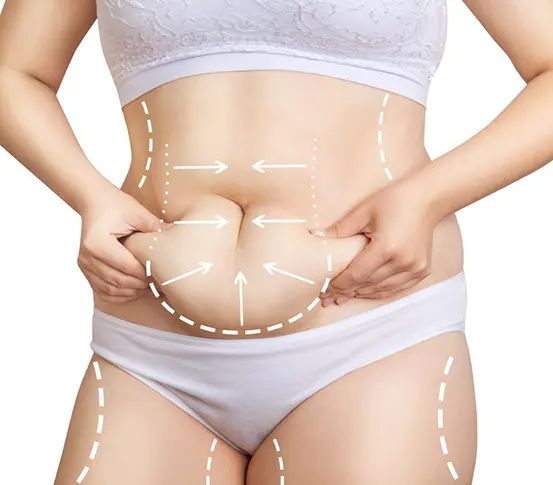
Liposuction for Small Treatment Areas
Small treatment areas typically involve localised fat deposits that affect a specific part of the body. Common examples include the chin, neck, and selected areas of the arms or knees. These procedures may require less operating time than extensive body contouring, depending on the individual case. However, smaller areas often require careful attention to detail because even minor differences in fat removal can affect the visible shape. The final estimate depends on the treatment technique, the surgeon’s assessment, and whether anaesthesia or other clinical services are needed.
Liposuction for Large Treatment Areas
Larger treatment areas, including the abdomen, thighs, hips, and back, may involve more extensive fat removal and body contouring. These procedures can require longer operating times, more comprehensive planning, and additional monitoring depending on their scope. The surgeon must consider the distribution of fat, skin elasticity, body proportions, and the patient’s overall health when developing the treatment plan. Because larger procedures may involve greater surgical complexity, their total cost can be higher than that of smaller-area treatments. The appropriate approach should prioritise safety and realistic results rather than the amount of fat removed.
The Amount of Fat Removed and Surgical Complexity
The amount of fat that needs to be removed can influence the time and resources required for liposuction. A small area may contain a concentrated fat deposit that requires careful contouring, while a larger area may involve several zones with different fat distributions. The surgeon must determine an appropriate treatment extent based on the patient’s anatomy and health rather than aiming to remove as much fat as possible. More extensive procedures can require additional planning and monitoring, which may affect the overall estimate. Liposuction is intended to improve body contours, not to serve as a substitute for general weight-loss treatment.
The Number of Areas Treated During One Procedure
Treating multiple areas can affect the total cost because each additional area may increase operating time and surgical complexity. For example, a patient considering treatment for both the abdomen and flanks may need a different plan from someone seeking treatment for only one localised area. Combining areas may sometimes be practical, but the decision depends on the patient’s health, the total extent of surgery, and the surgeon’s safety assessment. Patients should ask whether their quotation covers one area or several and whether the proposed treatment can reasonably be completed in a single session.
The Liposuction Technique and Equipment Used
The technique selected for liposuction can also influence the cost, regardless of whether the treatment area is small or large. Options may include traditional suction-assisted liposuction, power-assisted liposuction, ultrasound-assisted techniques such as VASER, and other energy-assisted methods. These approaches use different equipment and may be suited to different clinical needs. The choice depends on the patient’s anatomy, the treatment area, the surgeon’s experience, and the desired contouring outcome. An advanced technique is not automatically better for every patient, so the decision should be based on clinical suitability rather than technology alone.
Anaesthesia and Surgical Facility Requirements
Anaesthesia and facility charges may differ according to the extent and complexity of the procedure. A limited treatment area may have different anaesthesia requirements from a more extensive operation involving several body regions. The planned anaesthesia, monitoring arrangements, operating room requirements, and recovery support can all influence the final estimate. Patients should confirm whether these services are included in the quoted amount. Choosing an appropriately equipped facility and qualified surgical team is essential, even when the planned treatment involves only a small area.
Skin Quality and Individual Body Contouring Needs
The condition of the skin and the distribution of fat can affect the complexity of liposuction. Patients with good skin elasticity may experience better skin retraction after fat removal, while loose skin may remain noticeable even after the underlying fat has been reduced. In some cases, liposuction alone may not address the patient’s concerns, and the surgeon may discuss alternative or additional procedures. These considerations can change the treatment plan and its associated expenses. A personalised assessment helps establish realistic expectations and avoids selecting a procedure based only on the size of the area.
Checkpoint: Comparing Small and Large Area Estimates
Before proceeding with liposuction, patients should review the details of their proposed treatment rather than comparing estimates based solely on area size. Confirm the number of areas included, the technique planned, the type of anaesthesia, the surgeon’s fee, facility charges, and the availability of follow-up care. Ask whether compression garments, prescribed medication, medical tests, and routine appointments are covered. It is also important to understand any exclusions or additional charges. A written, itemised estimate helps patients compare treatment plans accurately while keeping safety and quality of care at the centre of the decision.
Personalised Liposuction Planning at Dynamic Life Clinic
At Dynamic Life Clinic, patients can discuss their body-contouring goals and learn how the size and location of a treatment area may influence their liposuction plan. A consultation allows the clinical team to assess fat distribution, skin quality, medical history, and suitability for the procedure. Patients can also ask about available techniques, expected recovery, potential risks, and the services included in the treatment estimate. The most appropriate plan should be tailored to individual needs, with realistic expectations about the changes liposuction can achieve.
Frequently Asked Questions
Is Liposuction for a Small Area Usually Less Expensive?
Liposuction for a small area may cost less because it can require less operating time and fewer resources. However, the final estimate also depends on the technique, anaesthesia, surgeon’s fee, and facility charges. A consultation is needed to determine the cost for an individual treatment plan.
Which Areas of the Body Can Require More Extensive Liposuction?
The abdomen, thighs, hips, and back can require more extensive treatment when several regions or larger fat deposits are involved. The actual complexity depends on the patient’s anatomy and goals. The surgeon determines the appropriate scope after assessing the treatment areas and overall health.
Does Treating More Than One Area Increase the Total Cost?
Treating multiple areas can increase the total cost because the procedure may require additional time, planning, and resources. In some cases, areas can be treated during the same session, but this depends on safety considerations and the patient’s needs. The quotation should clearly identify every included area.
Can a Small Liposuction Area Still Require Detailed Surgical Work?
Yes. Small areas such as the chin and neck may require precise contouring because subtle differences can affect facial proportions and symmetry. The limited size of the area does not eliminate surgical risks or the need for an experienced surgeon and appropriate clinical care.
How Can Patients Obtain an Accurate Liposuction Cost Estimate?
Patients should arrange a consultation so the surgeon can assess the treatment area, fat distribution, skin quality, medical history, and desired outcome. They should request a written estimate that explains the planned technique, included services, and possible additional expenses before making a decision.
Conclusion
Liposuction costs can vary between small and large treatment areas because the procedure’s extent, operating time, technical requirements, and recovery needs may differ. Small areas may involve localised contouring, while larger areas can require more extensive planning and surgical work. However, area size alone does not determine the final cost. A personalised assessment and a clear written estimate help patients understand their options, prepare for recovery, and choose treatment based on safety, suitability, and realistic expectations.