
A well-defined jawline is influenced by facial structure, skin elasticity, fat distribution, and the condition of the tissues beneath the skin. As collagen gradually changes with age, the skin around the lower face may become less firm, making the jawline appear softer. Radiofrequency treatments offer a non-surgical option that uses controlled heat to encourage collagen remodelling and potentially improve mild skin laxity. For people exploring Radiofrequency Treatments in Dubai, understanding how the treatment works can help establish realistic expectations. Radiofrequency may enhance the appearance of jawline definition when loose skin is a contributing factor, but it does not change the underlying bone structure or guarantee a sharper contour.
Factors That Influence Jawline Definition
Jawline definition varies naturally from person to person. Genetics, facial anatomy, age, skin elasticity, and the distribution of fat beneath the skin all influence the shape of the lower face. A softer jawline does not always indicate skin ageing; it may also reflect natural facial proportions or changes in body weight.
Several factors can affect jawline appearance:
- Reduced skin firmness with age
- Mild skin laxity around the lower face
- Changes in facial fat distribution
- Natural chin and jaw anatomy
- Genetics and individual facial proportions
Identifying the main cause of a less-defined jawline helps determine whether radiofrequency is likely to offer a noticeable improvement.
How Radiofrequency Supports a Firmer Jawline
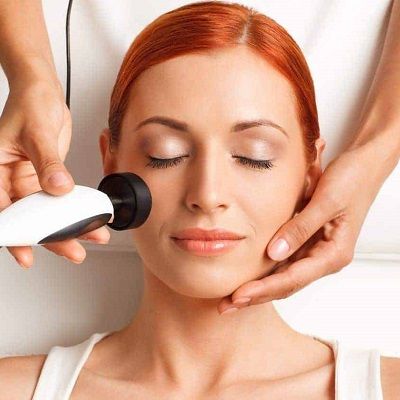
Radiofrequency, commonly called RF, delivers electromagnetic energy into selected tissue layers, generating controlled heat. This can stimulate processes involved in collagen remodelling, which may gradually improve skin firmness and texture. When mild laxity contributes to a soft-looking jawline, improved firmness may create a subtle visual enhancement.
The treatment does not remove significant amounts of fat, reposition deeper facial tissues, or reshape the jawbone. Its potential benefit is mainly related to skin quality and mild laxity rather than a dramatic change in facial structure.
The Role of Collagen in Lower-Face Contouring
Collagen is an important structural protein that helps maintain skin strength and resilience. As collagen organisation changes with age, the skin may become less supportive, contributing to looseness around the cheeks and jawline. Radiofrequency-induced heating may encourage collagen remodelling over time, helping the treated skin appear firmer.
The extent of improvement varies according to skin condition, treatment technology, settings, and individual response. Collagen stimulation cannot guarantee a particular degree of contouring, so results should be viewed as gradual and potentially modest.
Jawline Concerns That May Respond to Radiofrequency
Radiofrequency may be considered when mild skin laxity is the main reason the jawline appears less defined. It is not equally effective for every concern involving the lower face.
Mild Skin Looseness
People with early changes in skin firmness may notice a softer transition between the cheeks and jawline. Suitable RF treatment may improve the appearance of mild laxity, although the degree of change depends on the individual's skin and the device used.
Early Jowl Formation
Small areas of looseness near the corners of the jaw may become more noticeable with age. Radiofrequency may help improve the firmness of the overlying skin in selected cases, but it cannot reliably reposition descended tissue or correct pronounced jowls.
Skin Texture Around the Lower Face
Changes in collagen can affect texture as well as firmness. Some RF treatments may help improve the appearance of fine lines and uneven texture around the jawline, contributing to a smoother overall appearance without changing natural facial proportions.
When Radiofrequency May Not Be Enough
A less-defined jawline can result from factors that radiofrequency does not directly address. Significant excess fat, prominent jowls, substantial skin redundancy, or the natural shape of the chin and jawbone may require a different approach. People seeking a major change in facial contour should understand that RF is not a substitute for surgical procedures or treatments specifically intended to address other underlying causes.
A professional assessment can help distinguish between skin laxity, volume-related concerns, and structural features before a treatment plan is selected.
How Long Does Jawline Improvement Take?
Radiofrequency results generally develop gradually because collagen remodelling takes time. Some people may notice a temporary feeling of tightness shortly after treatment, but longer-term changes in firmness may take several weeks or months to become apparent.
The timeline depends on the treatment device, energy settings, number of sessions, and individual response. Photographs taken under similar lighting and from consistent angles can help track subtle changes in jawline appearance.
Choosing Between Traditional RF and RF Microneedling
Traditional non-invasive radiofrequency delivers energy through an applicator placed against the skin, while RF microneedling uses tiny needles to deliver energy at selected depths. Both methods use controlled heating, but their applications, recovery requirements, and risks differ.
Traditional RF may be considered for selected cases of mild laxity without intentionally puncturing the skin. RF microneedling may be used for certain texture and skin-quality concerns, but it carries additional risks, including burns, scarring, and pigment changes. The appropriate method depends on the individual's skin, treatment goals, and the device's intended use.
Safety Considerations for Jawline Treatments
Radiofrequency is generally well tolerated when performed appropriately, but temporary redness, warmth, tenderness, or swelling can occur. More serious complications, including burns, blistering, scarring, and changes in pigmentation, are possible if the settings or technique are unsuitable.
Before treatment, disclose relevant medical conditions, implanted electronic devices, previous cosmetic procedures, and any active skin problems. A qualified practitioner should explain potential risks and provide clear preparation and aftercare instructions.
Maintaining a Defined-Looking Jawline
Professional treatment is only one part of maintaining skin quality. Although everyday habits cannot change natural bone structure, they can help protect the skin and support its appearance over time.
Useful practices include:
- Applying broad-spectrum sunscreen with SPF 30 or higher.
- Using a gentle cleanser and suitable moisturizer.
- Avoiding smoking and excessive sun exposure.
- Maintaining a stable weight where possible.
- Following professional advice about active skincare products.
- Attending follow-up appointments when recommended.
These measures help support skin health, although they cannot prevent every age-related change in facial contour.
Selecting a Suitable Radiofrequency Provider
A suitable provider should assess the cause of the concern before recommending treatment. The consultation should cover skin laxity, facial anatomy, medical history, the chosen device, expected improvement, and possible alternatives. This helps prevent unrealistic expectations about how much the jawline can change.
Dynamic Life Clinic is one option people may consider when researching radiofrequency treatments in Dubai. When comparing providers, look for appropriate qualifications, experience with the specific device, clear safety information, and personalised recommendations rather than promises of a dramatically sharper jawline.
Frequently Asked Questions
Can radiofrequency create a sharper jawline?
Radiofrequency may improve the appearance of mild skin laxity, which can make the jawline look somewhat more defined. It does not reshape the jawbone or guarantee a dramatic contour change.
Does radiofrequency remove fat under the chin?
The effect depends on the specific device and its approved purpose. Skin-tightening RF should not automatically be considered a fat-removal treatment, so the provider should explain exactly what the selected technology is intended to achieve.
How many sessions are needed for jawline definition?
The recommended number varies according to the device, skin condition, and treatment plan. Some systems use a single session, while others involve a series of treatments.
Is radiofrequency a replacement for jawline surgery?
No. Radiofrequency may offer modest improvement in mild laxity, while surgery can address more substantial excess skin or deeper tissue changes. The appropriate option depends on individual anatomy and goals.
Are radiofrequency jawline results permanent?
No. Any improvement is temporary because natural ageing continues. The duration varies between individuals, and maintenance treatment may be discussed when appropriate.
Conclusion
Radiofrequency treatments may improve the appearance of jawline definition by encouraging collagen remodelling and supporting firmer-looking skin. They are most relevant when mild laxity contributes to a softer lower-face contour. However, they cannot reshape bone, reliably reposition deeper tissues, or remove substantial excess skin. A professional assessment helps determine the underlying cause of the concern and whether radiofrequency is suitable for achieving a natural-looking improvement.