
Loose skin around the navel can develop after pregnancy, significant weight loss, or natural ageing. When the abdominal skin stretches and loses elasticity, it may form wrinkles, folds, or a loose appearance around the belly button. Tummy tuck surgery can address this concern by removing excess abdominal skin and reshaping the surrounding tissue. At Dynamic Life Clinic, individuals considering Tummy Tuck Surgery Dubai can receive a professional assessment to understand which surgical approach may suit their abdominal concerns.
How Tummy Tuck Surgery Addresses Loose Skin Around the Navel
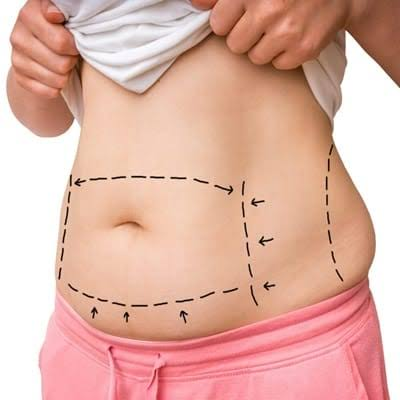
A tummy tuck removes selected excess skin from the abdomen and tightens the remaining tissue to create a smoother contour. During a full tummy tuck, the surgeon usually separates the skin from the underlying abdominal wall and repositions it. Because the skin around the navel may move during this process, the belly button is commonly brought through a new opening in the tightened skin. This helps maintain a natural-looking position while addressing surrounding laxity.
Common Reasons for Skin Laxity Around the Belly Button
The skin around the navel can become loose for several reasons. Pregnancy may stretch the abdominal wall and skin, while substantial weight loss can leave excess tissue that does not retract naturally. Ageing also affects collagen and skin elasticity, making the area appear less firm. In some patients, abdominal muscle separation contributes to a protruding appearance, although muscle changes and loose skin are separate concerns that require individual assessment.
The Role of Navel Repositioning During a Full Tummy Tuck
During a full tummy tuck, the surgeon may need to reposition the navel to maintain balanced abdominal proportions after excess skin is removed. The original belly button usually remains attached to its underlying tissue while the surrounding skin is tightened and a new opening is created. Careful planning is important because the size, shape, depth, and position of the navel influence the overall abdominal appearance.
Mini and Full Tummy Tuck Approaches
The appropriate technique depends on the location and amount of loose skin. A mini tummy tuck may address limited excess skin below the navel, but it generally does not involve repositioning the belly button. A full tummy tuck can treat more extensive abdominal laxity above and below the navel and commonly includes navel repositioning. The surgeon evaluates skin quality, muscle condition, and abdominal proportions before recommending an approach.
Improving Abdominal Muscle Separation
Loose skin around the navel may occur alongside diastasis recti, which is the separation of the abdominal muscles. This condition can contribute to a rounded or protruding abdominal appearance. When appropriate, a surgeon may repair the separated muscles during a tummy tuck to improve the abdominal wall contour. Muscle repair is not required for every patient, and it does not replace the removal of excess skin.
Checkpoint: Important Factors Before Navel and Skin Correction
A natural-looking result depends on more than removing loose skin. Patients should understand the following considerations before deciding on surgery:
- Skin distribution: The amount of loose skin above and below the navel influences the surgical technique.
- Navel position: Repositioning may be necessary during a full tummy tuck.
- Muscle condition: Separated abdominal muscles may require additional repair.
- Skin elasticity: Tissue quality affects how the remaining skin settles after surgery.
- Previous procedures: Existing abdominal scars may influence surgical planning.
- Weight stability: Major weight changes can affect the long-term contour.
- Future pregnancy: Pregnancy after surgery may stretch the abdominal skin and muscles again.
Recovery After Tummy Tuck Surgery
Recovery depends on the extent of skin removal and whether muscle repair is included. Patients may experience swelling, bruising, tightness, and discomfort around the abdomen and navel during the initial healing period. A compression garment may be recommended, and the surgeon will provide instructions for cleaning and protecting the incision areas. Gentle walking is generally encouraged, while heavy lifting and strenuous exercise should be avoided until medically approved.
Risks and Limitations of Navel Correction
Although tummy tuck surgery can improve loose skin around the navel, it involves potential risks such as infection, bleeding, fluid accumulation, delayed wound healing, visible scarring, and changes in sensation. The belly button may also heal with an uneven shape or position, and revision surgery may occasionally be needed. Results depend on individual anatomy, tissue quality, surgical technique, and healing. The procedure cannot prevent future skin changes caused by ageing or significant weight fluctuations.
Frequently Asked Questions
Patients often have questions about how tummy tuck surgery affects the belly button and the surrounding skin. These answers explain what may be possible and which factors influence the outcome.
Can a Tummy Tuck Remove Wrinkled Skin Around the Navel?
Yes. A full tummy tuck can remove selected excess abdominal skin, which may include wrinkled or loose tissue around the navel. The extent of improvement depends on the distribution of skin laxity.
Is the Belly Button Repositioned During a Full Tummy Tuck?
In most full tummy tuck procedures, the belly button is brought through a new opening after the abdominal skin is tightened. Its original underlying attachment is generally preserved.
Can a Mini Tummy Tuck Correct Loose Skin Above the Navel?
A mini tummy tuck is mainly intended for limited excess skin below the navel. It generally provides little correction for loose skin above the belly button, so another approach may be more suitable.
Does Tummy Tuck Surgery Change the Shape of the Belly Button?
The procedure may affect the appearance of the navel because the surrounding skin is tightened and a new opening is created. The surgeon plans its position and shape to achieve a natural-looking result, although healing and individual anatomy influence the final appearance.
Can Loose Skin Around the Navel Return After Surgery?
Future pregnancy, significant weight changes, and natural ageing can affect abdominal skin after surgery. Maintaining a stable weight may help preserve the result, but it cannot prevent every future change.
Conclusion
Tummy tuck surgery can improve loose skin around the navel by removing excess abdominal tissue and tightening the remaining skin. A full tummy tuck commonly includes repositioning the belly button, while a mini procedure is generally more limited to the lower abdomen. The most appropriate technique depends on skin laxity, abdominal muscle condition, and individual anatomy. A qualified surgeon can assess these factors and explain the expected results, recovery, and potential risks before treatment.