
Muscle tightening can be an important part of a tummy tuck for patients who have separated abdominal muscles or weakened connective tissue. This additional correction addresses the abdominal wall rather than simply removing loose skin or fat. When comparing Tummy Tuck Cost in Dubai, patients should understand that the need for muscle repair can change the surgical technique, operating time, and recovery requirements. Dynamic Life Clinic encourages individuals to discuss their concerns with an experienced medical professional before choosing a procedure.
How Muscle Tightening Adds to the Surgical Procedure
During a tummy tuck, the surgeon may lift the abdominal skin to access the underlying muscle layer. If muscle separation is present, the separated muscles can sometimes be brought closer together using internal sutures. This process is commonly called muscle plication. It adds a separate surgical step to the procedure and requires careful attention to the abdominal wall. The amount of tightening depends on the patient's condition and the correction considered medically appropriate.
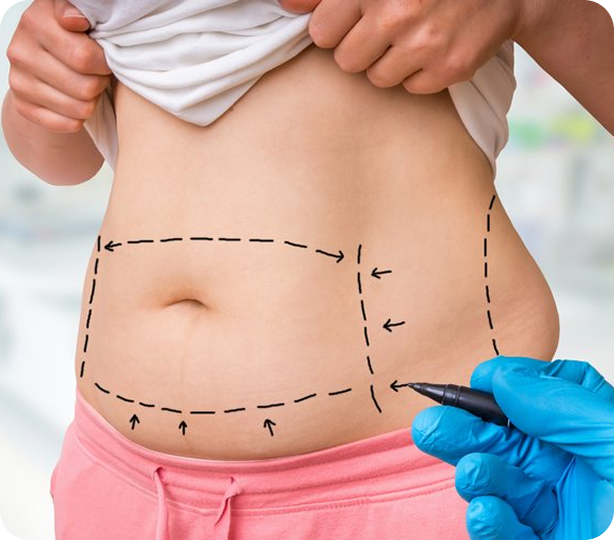
The Difference Between Skin Tightening and Muscle Repair
Skin tightening and muscle repair address different layers of the abdomen. Skin removal improves loose or hanging tissue, while muscle tightening addresses separation within the abdominal wall. A patient may need one correction or both, depending on the cause of the abdominal bulge. Muscle repair does not directly remove fat, and skin removal alone cannot correct significant muscle separation. Understanding this distinction helps patients recognise why treatment plans can differ.
Why the Extent of Muscle Separation Matters
The degree of muscle separation can influence the surgical work required. Some patients have mild separation in a limited area, while others have a wider gap extending along much of the abdomen. The surgeon examines the abdominal wall to determine the location and extent of the condition. The patient's tissue quality, previous pregnancies, surgical history, and overall health may also affect the approach. More extensive correction can require additional planning and operating time.
Checkpoint: Factors That Determine the Need for Muscle Tightening
Muscle tightening is not automatically included in every tummy tuck. The decision depends on clinical findings and the patient's individual abdominal structure.
- Muscle separation: The width and location of the gap between the abdominal muscles.
- Abdominal protrusion: Whether muscle separation contributes to a prominent stomach.
- Skin condition: The amount of loose tissue requiring removal.
- Abdominal wall strength: The condition of the supporting muscles and connective tissue.
- Previous pregnancies: Whether pregnancy-related stretching has affected the abdominal wall.
- Medical history: Previous abdominal operations or conditions that may influence surgical planning.
- Treatment goals: The type of correction the patient hopes to achieve.
How Muscle Repair Can Influence Operating Time
When muscle tightening is required, the surgeon must perform additional work beneath the abdominal skin. This may increase the time needed in the operating theatre compared with a procedure involving skin removal alone. The exact duration depends on the extent of separation, surgical technique, and whether other corrections are performed at the same time. Operating time is one factor that may influence the overall treatment arrangements, although it is not the only consideration.
Combining Muscle Tightening With Different Tummy Tuck Techniques
Muscle repair may be included in selected mini, full, or extended tummy tuck procedures. However, the suitability of each technique depends on where the separation occurs and how much skin needs correction. A mini tummy tuck may not provide adequate access for significant upper-abdominal muscle repair. A full tummy tuck may be more appropriate when separation extends across a larger area. The surgeon selects the technique according to the patient's anatomy rather than using the same approach for everyone.
Recovery When Muscle Tightening Is Included
Patients who undergo muscle repair may experience more abdominal tightness and discomfort during the early recovery period. Activities that engage the core muscles, such as sitting up or changing position, may feel difficult initially. The surgeon may recommend a compression garment, gentle walking, and temporary restrictions on lifting, exercise, and strenuous movement. Recovery varies according to the extent of repair and individual healing. Patients should follow their postoperative instructions and attend scheduled appointments.
Possible Risks of Adding Muscle Repair
Muscle tightening introduces additional considerations because the surgeon is working on the abdominal wall as well as the skin and surrounding tissues. Potential complications include bleeding, infection, fluid accumulation, wound-healing difficulties, persistent discomfort, and changes in sensation. Some patients may experience prolonged tightness or an uneven contour. Blood clots and anaesthesia-related complications are also possible risks of abdominal surgery. A detailed consultation helps patients understand the risks associated with their specific treatment plan.
Medical Evaluation Before Deciding on Muscle Tightening
A surgeon should confirm whether muscle separation is present before recommending repair. The assessment may include examining the abdomen while the patient changes position or activates the abdominal muscles. Further investigation may be appropriate if a hernia or another abdominal wall condition is suspected. The surgeon also reviews medical history, medications, weight stability, and previous operations. This information helps establish whether muscle tightening is necessary and whether it can be safely combined with skin removal.
Frequently Asked Questions
These answers explain how muscle tightening can affect tummy tuck planning, surgical requirements, and recovery.
Is muscle tightening always necessary during a tummy tuck?
No. Muscle repair is recommended only when the patient has abdominal muscle separation that requires correction. Patients with loose skin but no significant separation may not need this additional step.
Does muscle tightening make tummy tuck surgery more complex?
It can increase surgical complexity because the surgeon must repair the underlying abdominal wall in addition to addressing excess skin. The extent of separation determines how much additional work is required.
Can muscle tightening help create a flatter abdomen?
It may improve abdominal contour when muscle separation contributes to a protruding appearance. However, the final result also depends on skin quality, fat distribution, anatomy, and healing.
Does muscle repair make recovery more uncomfortable?
Some patients experience additional tightness and discomfort because the abdominal muscles and surrounding tissues need time to heal. The recovery experience varies according to the surgical technique and individual health.
Can I have a tummy tuck without muscle tightening?
Yes. If muscle separation is not present or does not require surgical correction, a tummy tuck may focus on removing excess skin and addressing other suitable concerns.
Conclusion
The need for muscle tightening can change the overall requirements of a tummy tuck because it adds a separate step to the surgical procedure. It may influence operating time, technique, postoperative care, and the complexity of treatment. However, muscle repair is not necessary for every patient, and its inclusion should depend on a proper examination of the abdominal wall. A personalised surgical assessment helps determine the appropriate approach and provides a clearer understanding of the treatment plan.