
Ear reshaping surgery can reduce the appearance of protruding ears by adjusting the cartilage and positioning the ears closer to the head. Also known as otoplasty, this procedure is designed to improve ear projection while preserving a natural shape that complements the face. Protruding ears may result from an underdeveloped cartilage fold, a deep central ear bowl, or a combination of structural factors. People considering Ear Reshaping in Dubai can consult a qualified surgeon to understand the cause of ear prominence and the most appropriate treatment approach.
Understanding the Causes of Protruding Ears
Protruding ears occur when the outer ears extend farther from the head than a person would prefer. This appearance is often related to the natural structure of the cartilage rather than a medical problem. Some ears lack a well-defined antihelical fold, which normally helps the ear curve backward. Others have a prominent conchal bowl that pushes the ear outward. These structural differences may affect one or both ears, and identifying the cause helps the surgeon choose a technique that addresses the specific concern.
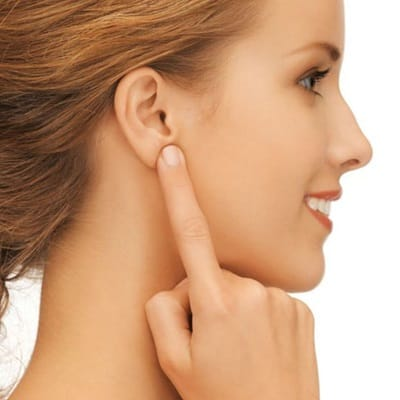
How Otoplasty Changes Ear Position
Otoplasty corrects prominent ears by modifying the cartilage shape or reducing the angle between the ear and the head. During the procedure, the surgeon may create or strengthen the natural folds of the ear using sutures. In some cases, the cartilage near the ear canal is adjusted to reduce excessive projection. The objective is to bring the ears into a more balanced position without making them look unnaturally flat or tightly pinned back. The exact technique depends on cartilage strength, ear anatomy, and the amount of correction needed.
The Role of Cartilage Reshaping
Cartilage gives the outer ear its shape and structure. When its natural folds are underdeveloped or the cartilage is particularly prominent, the ear may project outward. A surgeon can reshape the cartilage by placing carefully positioned sutures, and selected cases may require cartilage scoring or removal of a limited amount of tissue. The method is chosen according to the ear's structure and the desired result. Preserving enough cartilage support is important because excessive alteration can affect the natural contour and increase the risk of an unsatisfactory appearance.
Improving Balance Between the Ears and Face
Correcting protruding ears can make the ears appear more proportionate to the head and surrounding facial features. The surgeon evaluates the projection, height, contour, and symmetry of both ears before planning treatment. If one ear protrudes more than the other, the approach may be adjusted for each side rather than using identical corrections. Natural asymmetry is common, so the aim is to improve overall balance instead of promising perfectly matching ears. Facial proportions and the patient's expectations help guide the surgical plan.
Checkpoint: Important Factors Before Otoplasty
People considering surgery for protruding ears should review these points during a consultation:
- Cause of prominence: Determine whether the concern comes from an underdeveloped fold, a prominent ear bowl, or another structural feature.
- Degree of correction: Discuss how much the ears can be repositioned while maintaining a natural contour.
- Symmetry: Understand that both ears may need different adjustments and that perfect symmetry cannot be guaranteed.
- Surgical risks: Ask about infection, bleeding, scarring, changes in sensation, cartilage irregularities, and possible recurrence of prominence.
- Recovery requirements: Learn about dressings, headbands, sleeping positions, and restrictions on physical activity.
- Expected results: Review realistic outcomes and whether revision surgery might be necessary in some cases.
Surgical Procedure and Incision Placement
Otoplasty is commonly performed through an incision placed behind the ear, where it is generally less noticeable. Through this incision, the surgeon accesses the cartilage and reshapes or secures it with sutures to achieve the planned position. The procedure may be performed under local anesthesia with sedation or general anesthesia, depending on the patient's age, health, and surgical plan. Before proceeding, the surgeon explains the method, anesthesia options, likely results, and potential complications so that the patient can make an informed decision.
Recovery After Protruding Ear Correction
Following surgery, patients may experience swelling, bruising, tenderness, and temporary changes in sensation. A dressing or supportive headband may be used to protect the ears and help maintain their position during early healing. Patients should follow the surgeon's instructions for incision care and avoid sleeping directly on the ears when advised. Activities that could bend or injure the ears, including contact sports, should be avoided until the surgeon confirms they are safe. Recovery varies, and the final shape becomes clearer as swelling gradually subsides.
Frequently Asked Questions
Can otoplasty permanently correct protruding ears?
Otoplasty generally produces long-lasting changes by reshaping or securing the ear cartilage. However, the final result can be affected by healing, cartilage characteristics, and postoperative care. In some cases, the ears may become prominent again or require further correction.
Is ear reshaping surgery suitable for adults?
Yes, adults may undergo otoplasty if they are in suitable health and have realistic expectations. A surgeon assesses ear structure, medical history, and the patient's goals before recommending surgery. Age alone does not determine whether an adult is an appropriate candidate.
Will the ears look completely flat after surgery?
The aim is usually to reduce excessive projection while preserving the ear's natural shape. Making the ears too flat or positioning them too close to the head can produce an unnatural appearance. Careful planning helps balance correction with natural-looking contours.
Does otoplasty leave visible scars?
Incisions are often placed behind the ears, making scars less noticeable in many patients. However, scars can remain visible or become raised depending on individual healing and other factors. The surgeon should explain incision placement and scar care before treatment.
When can normal activities resume after otoplasty?
Many patients return to light daily activities within several days, depending on their recovery and the surgeon's advice. Exercise, contact sports, and activities that may put pressure on the ears usually require a longer break. Follow-up appointments help determine when it is safe to resume each activity.
Professional Guidance at Dynamic Life Clinic
People concerned about protruding ears can benefit from an assessment that considers cartilage structure, ear projection, facial proportions, and the degree of correction they want. At Dynamic Life Clinic, a consultation can help patients discuss suitable otoplasty techniques, anesthesia options, recovery expectations, and potential complications. The clinician can explain whether cartilage reshaping, suturing, or another approach is most appropriate for the individual case and help establish realistic expectations before surgery.
Conclusion
Ear reshaping surgery corrects protruding ears by changing cartilage folds, reducing excessive projection, or repositioning the ears closer to the head. The most appropriate method depends on the structural cause of prominence and the patient's anatomy. A qualified surgeon can assess the ears, explain possible outcomes and risks, and develop a treatment plan intended to improve facial balance while preserving a natural appearance.