
The cost of septoplasty surgery varies depending on the severity of a deviated nasal septum, the surgeon's experience, the medical facility, and the treatment required. Patients researching Septoplasty Surgery Cost in Dubai should understand that there is no single fee that applies to everyone. At Dynamic Life Clinic, patients can discuss their nasal concerns, understand the recommended procedure, and receive an estimate based on their individual medical requirements.
Understanding the Cost of Septoplasty Surgery
Septoplasty is a surgical procedure that corrects a deviated nasal septum, which is the internal structure separating the two nasal passages. When the septum is significantly displaced, it can restrict airflow and cause persistent nasal blockage or breathing difficulties. The overall cost depends on how much correction is needed and the services involved in the operation. A straightforward procedure may require fewer surgical resources than a complex correction involving additional structural problems.
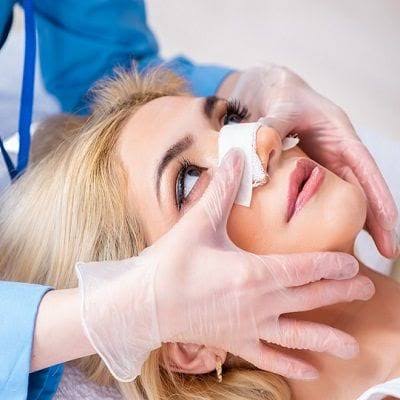
Why Septoplasty Costs Differ Between Patients
Every patient's nasal anatomy and medical condition are different. Some people have a mild deviation that can be corrected through a relatively straightforward procedure, while others have more complicated structural abnormalities. The surgeon considers the location of the deviation, the amount of cartilage or bone involved, and whether other nasal conditions are contributing to breathing problems. These details influence the surgical plan, operating time, and final treatment estimate.
Main Factors That Influence Septoplasty Surgery Cost
Several components contribute to the overall expense of septoplasty. Understanding these factors can help patients compare treatment estimates and prepare for the procedure.
- Severity of the deviation: More complex septal problems may require additional surgical correction.
- Surgeon's professional fee: Qualifications, specialist training, and experience can influence the fee.
- Anaesthesia charges: The type of anaesthesia and monitoring services may affect the total.
- Hospital or facility expenses: Operating room use, equipment, nursing support, and recovery facilities may be included.
- Diagnostic tests: Nasal examinations, imaging, and other investigations may involve separate charges.
- Post-operative care: Medication, follow-up appointments, and recovery support can contribute to the overall expense.
Patients should request an itemised estimate so they can understand which services are included and which may be billed separately.
Surgeon’s Experience and Qualifications
The surgeon's experience is an important consideration when planning septoplasty. A qualified ear, nose, and throat specialist understands the internal nasal structures and can assess the cause of breathing obstruction before recommending surgery. Professional training and experience with similar procedures may influence the surgeon's fee. Patients should review the specialist's credentials, discuss the proposed surgical approach, and understand the expected benefits and possible risks rather than selecting treatment based only on cost.
Hospital and Anaesthesia Expenses
The medical facility and anaesthesia arrangements can also affect the total cost. Septoplasty is commonly performed under general anaesthesia, although the appropriate approach depends on the patient's condition and the surgical plan. Expenses may include the operating room, anaesthesiologist's fee, medication, monitoring equipment, and recovery facilities. Some patients return home on the same day, while others may need additional observation. The length of stay and level of care can therefore influence the final estimate.
Additional Procedures That May Increase the Cost
Some patients have other nasal conditions alongside a deviated septum. If these problems contribute to breathing difficulties, the surgeon may recommend additional treatment during the same operation when appropriate. Combined procedures can increase surgical time and overall expenses. Examples include:
- Turbinate reduction: May be recommended when enlarged turbinates contribute to nasal obstruction.
- Functional nasal correction: May address other structural problems affecting airflow.
- Rhinoplasty: May be combined with septoplasty when external nasal shape also requires correction.
- Sinus surgery: May be considered for selected patients with chronic sinus conditions requiring surgical treatment.
These procedures are not necessary for everyone. The specialist should explain the medical reason for any additional treatment and how it affects the overall estimate.
Diagnostic Tests and Consultation Fees
A consultation and nasal examination are important before determining the cost of septoplasty. The specialist reviews the patient's symptoms, medical history, and nasal structure to confirm whether surgery is appropriate. Depending on the findings, investigations may include nasal endoscopy, imaging, or blood tests. Some patients may also need an anaesthesia assessment or medical clearance. These services may be included in a treatment package or charged separately, so patients should confirm the details in advance.
What Is Usually Included in a Septoplasty Treatment Package?
A treatment package can cover several stages of care, but the inclusions differ between medical facilities. Some packages include the surgeon's fee, anaesthesia, operating room expenses, routine medication, and initial follow-up appointments. Others may charge separately for diagnostic tests, an overnight stay, additional medication, or extended post-operative care. Patients should ask for a written breakdown of the package rather than assuming that every part of treatment is covered by the initial quotation.
Checkpoint: Important Considerations Before Septoplasty
Before choosing a treatment provider, patients should compare the quality and scope of care as well as the estimated expense. A clear treatment plan helps avoid misunderstandings about additional charges and recovery arrangements.
- Written quotation: Request an itemised estimate covering the procedure and related services.
- Medical assessment: Confirm that the surgeon has evaluated the cause and severity of nasal obstruction.
- Surgeon credentials: Review specialist qualifications and relevant surgical experience.
- Package inclusions: Check whether anaesthesia, facility charges, medication, and follow-up visits are covered.
- Additional treatment: Ask whether turbinate reduction or another procedure is medically necessary.
- Aftercare arrangements: Understand the follow-up schedule and how unexpected concerns will be managed.
Recovery and Expenses After Septoplasty
Recovery is another consideration when planning the overall cost of surgery. Patients may experience temporary nasal congestion, swelling, mild discomfort, or light bleeding during the initial healing period. The surgeon may recommend medication, saline sprays, and specific nasal care instructions. Follow-up appointments help monitor healing and assess breathing improvement. Patients should also plan for time away from strenuous activities and follow restrictions on exercise and heavy lifting until cleared by their surgeon.
How to Get an Accurate Septoplasty Cost Estimate
The most reliable way to understand the expected cost is to arrange an assessment with a qualified specialist. During the consultation, the surgeon examines the nasal passages, reviews relevant medical information, and determines the extent of correction required. Patients can then receive a treatment plan explaining the recommended approach and associated expenses. It is also helpful to ask whether the estimate includes consultations, diagnostic tests, anaesthesia, facility charges, medication, and follow-up care.
Dynamic Life Clinic and Septoplasty Treatment
Dynamic Life Clinic provides consultation support for patients considering septoplasty and other nasal treatments. An individual assessment helps determine whether a deviated septum is contributing to breathing difficulties and whether surgical correction may be suitable. Patients can discuss their symptoms, medical history, treatment requirements, and recovery expectations with a qualified healthcare professional. The recommended procedure and final estimate depend on the patient's nasal anatomy and clinical needs.
Conclusion
Septoplasty surgery does not have one standard cost because the total expense depends on several medical and facility-related factors. The severity of the deviation, surgeon's experience, anaesthesia, hospital charges, additional procedures, and post-operative care can all influence the estimate. Patients should request a detailed quotation and understand what is included before making a decision. A consultation with a qualified specialist is the best way to determine the appropriate treatment and receive an estimate based on individual requirements.
Frequently Asked Questions
Patients often have questions about septoplasty expenses, treatment packages, and the factors that influence the final estimate. The following answers explain some common considerations.
Is septoplasty surgery cost the same for every patient?
No. The cost varies according to the severity of the deviated septum, the surgical work required, and the services included in the treatment plan. Additional nasal conditions may also affect the estimate.
Does septoplasty cost more when turbinate reduction is included?
It may. Turbinate reduction involves additional surgical work and can increase operating time and related expenses. It is recommended when enlarged turbinates contribute to nasal obstruction and the specialist considers treatment appropriate.
Are hospital and anaesthesia charges included in the surgery cost?
This depends on the facility and its treatment package. Some estimates include the surgeon's fee, anaesthesia, and operating room expenses, while others list these services separately. Patients should confirm the inclusions before scheduling surgery.
Can medical insurance cover septoplasty surgery?
Coverage depends on the insurance provider, policy terms, and medical reason for surgery. Septoplasty performed to address documented breathing problems may be treated differently from procedures performed primarily for cosmetic purposes. Patients should confirm eligibility and obtain any required pre-authorisation from their insurer.
How can patients receive an accurate estimate for septoplasty?
Patients should arrange a consultation with a qualified specialist for a nasal examination and review of their medical history. The surgeon can determine the required correction and provide an estimate that reflects the procedure, facility services, anaesthesia, and follow-up care.