
Body shape is influenced by genetics, fat distribution, skin elasticity, ageing, and changes in weight. Even with regular exercise and a balanced lifestyle, some people notice stubborn fat deposits or loose skin in particular areas. Body contouring includes a range of surgical and non-surgical treatments designed to reshape selected parts of the body. For individuals exploring Body Contouring Dubai, understanding which areas can be treated helps them identify options that suit their goals. The right approach depends on whether the main concern is excess fat, loose skin, reduced definition, or a combination of these factors.
Common Areas Targeted by Body Contouring
Body contouring is not a single procedure. Different techniques address different concerns, and a treatment suitable for one body area may not be appropriate for another. Surgical options can remove excess skin and reshape underlying tissues, while some non-surgical procedures focus on selected fat deposits or skin appearance.
Common treatment areas include:
- Abdomen: Treatments may address stubborn abdominal fat, loose skin, or an apron of skin following pregnancy or significant weight loss.
- Waist and flanks: Procedures can refine the sides of the waist and reduce the appearance of love handles.
- Thighs: Inner and outer thigh treatments may address localised fat or excess skin that affects the leg contour.
- Upper arms: Arm contouring can target stubborn fat or sagging skin, depending on the technique used.
- Back: Selected procedures can address fat deposits around the upper or lower back.
- Buttocks and hips: Certain treatments may improve contour or remove excess skin around these areas.
- Chest: In appropriate cases, procedures can address excess fat or skin that affects chest definition.
- Neck and under the chin: Some contouring procedures can reduce selected fat deposits and improve the transition between the chin and neck.
The areas that can be treated depend on the procedure, the patient's anatomy, skin quality, and medical suitability. Not every concern requires surgery.
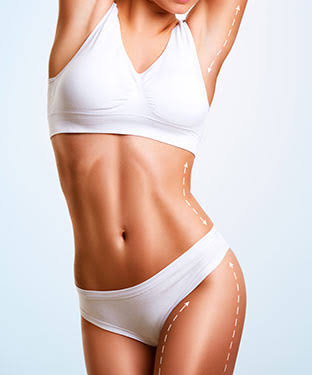
Abdominal and Waist Contouring
The abdomen and waist are common areas of concern for people seeking body contouring. Pregnancy, substantial weight changes, and ageing can contribute to stretched skin or changes in abdominal shape. Some people mainly have localised fat deposits, while others have loose skin or weakened abdominal muscles.
Different procedures may be considered depending on the cause:
- Liposuction: Removes selected fat deposits when skin elasticity is sufficient to allow the area to adapt to the new contour.
- Tummy tuck: Removes excess abdominal skin and may tighten separated abdominal muscles when appropriate.
- Non-surgical fat reduction: Certain devices can target small, localised fat deposits without surgical incisions, although results vary.
These treatments are not substitutes for weight management, and they are not intended to treat obesity. A professional assessment helps determine which approach is suitable.
Thigh, Hip, and Buttock Contouring
Changes in the thighs, hips, and buttocks can affect how clothing fits and how the lower body looks in proportion to the waist. Some people have localised fat deposits, while others experience loose skin after significant weight loss. The treatment plan should address the specific concern rather than assume that every area needs fat removal.
Options may include liposuction for suitable fat deposits, thigh lift surgery for excess skin, or a lower body lift when skin laxity affects several connected areas. These procedures differ in their purpose, recovery requirements, and potential scarring. A surgeon can explain whether one procedure or a staged treatment plan is more appropriate.
Upper Arm and Back Contouring
The upper arms and back can retain fat deposits or develop loose skin that does not respond to exercise alone. Liposuction may be considered when excess fat is the main concern and the skin has adequate elasticity. When loose skin is more pronounced, an arm lift or another skin-removal procedure may be more appropriate.
Treatment planning should take the amount of excess tissue, skin quality, and the likely location of scars into account. Removing fat without addressing substantial loose skin may not create the expected contour, so the distinction between these concerns matters.
Chest and Neck Contouring
Body contouring can also address selected concerns around the chest, chin, and neck. For example, some patients may seek treatment for excess chest fat or skin, while others are concerned about a fuller area beneath the chin. The appropriate procedure depends on the underlying cause.
Chest contouring may involve liposuction or skin-removal surgery in selected cases. Under-chin or neck contouring may involve fat reduction, skin tightening, or surgical techniques, depending on skin elasticity and anatomy. A clinical assessment is important because fullness in these areas may be caused by factors other than excess fat.
Surgical and Non-Surgical Treatment Options
Body contouring treatments can be broadly divided into surgical and non-surgical approaches. Neither category is automatically better for everyone; the choice depends on the concern being treated and the expected degree of change.
- Surgical contouring: Procedures such as liposuction, tummy tuck, arm lift, thigh lift, and body lift can remove fat or excess skin and reshape underlying tissues.
- Non-surgical contouring: Selected device-based treatments can target small pockets of fat or address certain aspects of skin appearance without major incisions.
- Combination treatment: In some cases, more than one approach may be discussed to address different concerns, although combining procedures can increase overall treatment complexity and risk.
Non-surgical methods generally cannot remove large amounts of loose skin in the way surgery can. Results also vary by device and individual response, so treatment claims should be discussed carefully with a qualified professional.
Choosing the Right Treatment for Your Body Shape
The best treatment depends on what is contributing to the area you want to change. Localised fat, significant skin laxity, muscle separation, and cellulite are different concerns and may require different approaches. For example, liposuction removes fat but does not reliably correct major skin laxity, while a tummy tuck is designed to remove excess abdominal skin and may address muscle separation.
Before deciding, consider discussing:
- The main concern in each treatment area
- Whether the issue involves fat, loose skin, or both
- Your general health and medical history
- Your current weight stability and future weight goals
- Expected results, scars, and recovery time
- Possible complications and follow-up care
- Whether non-surgical treatment is likely to provide meaningful improvement
Realistic expectations are important because body contouring changes selected areas rather than transforming every aspect of body shape.
Recovery and Maintaining Results
Recovery varies according to the procedure and the number of areas treated. Non-surgical treatments may involve temporary tenderness, swelling, or bruising, while surgical procedures can require a longer recovery period, activity restrictions, wound care, and follow-up appointments. Surgical results can be affected by later weight changes, ageing, and natural changes in skin elasticity.
Following the provider's instructions, maintaining a stable weight, eating a balanced diet, and staying physically active can help support long-term results. Patients should also understand that surgery leaves scars, although their location and appearance depend on the technique and individual healing.
Body Contouring in Dubai
People researching body contouring in Dubai should choose a qualified provider who can explain the available procedures, assess the areas of concern, and discuss the benefits and limitations of each option. Ask about the treating professional's credentials, experience, potential complications, recovery requirements, and follow-up arrangements. Dynamic Life Clinic is one option to consider when researching body contouring services. Patients should independently verify the provider's qualifications and confirm that the proposed treatment matches their individual needs.
Frequently Asked Questions
Which body areas can body contouring treat?
Depending on the technique, body contouring can target the abdomen, waist, flanks, thighs, upper arms, back, buttocks, chest, chin, and neck. Not every procedure is suitable for every area.
Can body contouring remove loose skin?
Yes. Surgical procedures such as tummy tucks, arm lifts, thigh lifts, and body lifts can remove selected areas of excess skin. Non-surgical treatments generally have more limited effects on significant skin laxity.
Is body contouring a weight-loss treatment?
No. Body contouring is intended to reshape selected areas rather than treat obesity or replace healthy weight management. Many procedures are best considered when weight is relatively stable.
Can several body areas be treated together?
Sometimes. The suitability of treating multiple areas in one session depends on the procedures involved, the patient's health, and the overall surgical risk. A qualified surgeon should determine whether combined or staged treatment is appropriate.
How do I know which body contouring treatment I need?
A consultation can help identify whether your main concern is excess fat, loose skin, or another structural issue. The provider can then discuss appropriate options, expected outcomes, risks, and recovery.
Conclusion
Body contouring treatments can target several areas, including the abdomen, waist, thighs, hips, buttocks, arms, back, chest, and neck. The appropriate procedure depends on whether the concern involves localised fat, loose skin, or changes in the underlying tissues. Surgical and non-surgical options have different capabilities, risks, and recovery requirements, so the treatment should be selected according to individual anatomy and goals. A professional assessment helps establish realistic expectations and identify a suitable approach to achieving more defined body contours.