
Scars can develop after injuries, burns, previous operations, or skin conditions, and their appearance can vary depending on how the skin heals. Some become wide, raised, uneven, or depressed, making them more noticeable over time. For people concerned about these changes, Surgical Scar Revision in Dubai may offer an option for improving selected scars. Dynamic Life Clinic can help patients understand which scar types may respond to surgical treatment and whether another approach would be more appropriate. The goal is to create a less noticeable scar while maintaining realistic expectations about healing.
Wide and Stretched Scars
Wide scars often develop when the edges of a wound separate slightly during healing or when repeated tension stretches the newly formed tissue. They may appear as flat, pale, or discoloured lines that are broader than the original wound. Surgical revision may involve removing the widened scar and carefully bringing the surrounding skin together. The technique aims to create a narrower, neater line. However, the new incision can also stretch during healing, particularly in areas exposed to movement or skin tension.
Raised and Thickened Scars
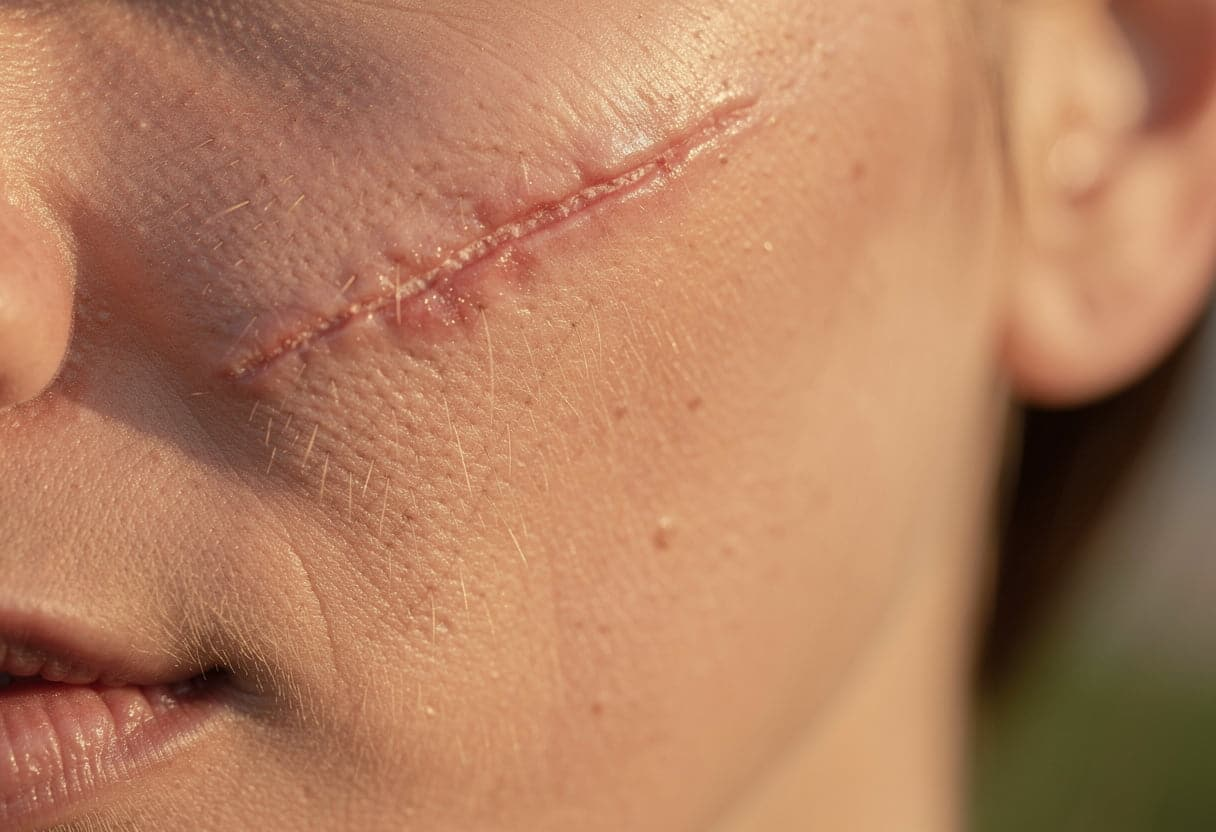
Some scars become elevated because the body produces excess collagen during the healing process. Hypertrophic scars remain within the boundaries of the original wound, while keloids can extend beyond those boundaries. Selected raised scars may benefit from surgical treatment, but the approach depends on the type and behaviour of the scar. Keloids require particular care because surgery alone may lead to recurrence. A specialist may recommend combining revision with other treatments, such as steroid injections or other scar-management methods.
Depressed and Indented Scars
Depressed scars form when tissue beneath the skin is lost or does not develop evenly during healing. They may create small pits, indentations, or uneven contours that become more visible under certain lighting conditions. Depending on their depth and structure, some depressed scars may be improved through surgical techniques that release tight tissue, reposition surrounding skin, or restore contour. Not every indentation requires surgery, and treatments such as subcision, fillers, or laser procedures may be more suitable for selected cases.
Contracture Scars That Restrict Movement
Contracture scars develop when healing tissue tightens and pulls the surrounding skin together. They are particularly important when they form near joints, the neck, hands, or other areas where flexibility is needed. Severe contractures may restrict normal movement or cause discomfort during everyday activities. Surgical revision may involve releasing the tight tissue and using reconstructive techniques to improve skin flexibility. The treatment plan depends on the extent of tightening, the amount of available skin, and the functional impact of the scar.
Irregular and Poorly Positioned Scars
Some scars heal with uneven edges, awkward angles, or positions that make them more noticeable. Others may cross natural skin lines, creating a visible difference in texture or direction. Surgical revision can sometimes improve their alignment by changing the shape or direction of the scar. The surgeon may use techniques that place the revised incision along natural skin creases where possible. The suitability of this approach depends on the surrounding anatomy, skin movement, and the amount of tissue available.
Checkpoint: Important Considerations Before Surgical Scar Revision
Not every scar responds to the same surgical method, so careful assessment is necessary before treatment. Patients should consider the following factors when discussing their options:
- Scar category: Wide, raised, depressed, contracture, and irregular scars may need different techniques.
- Scar maturity: The age and stability of the scar can influence treatment timing.
- Skin type: Individual healing patterns may affect the risk of thick or raised scarring.
- Scar location: Areas exposed to movement or tension may have different healing challenges.
- Previous treatments: Earlier surgery, injections, or laser procedures should be discussed.
- Medical history: Health conditions, medications, and smoking habits can influence wound healing.
- Expected improvement: Revision can improve appearance or function, but complete scar removal is not guaranteed.
Scars Caused by Previous Surgery or Accidents
Scars from previous operations or accidental injuries may sometimes be improved when they have healed with an undesirable shape, width, or contour. Surgical revision can help correct selected problems, such as uneven edges, widened lines, or tissue distortion. The surgeon must first evaluate the condition of the surrounding skin and determine whether there is enough flexibility for another closure. Scars associated with deeper tissue damage may require more complex reconstruction than simple removal and closure.
Recovery After Surgical Scar Revision
Recovery varies according to the size, location, and complexity of the revised area. Patients may experience temporary swelling, tenderness, bruising, or discomfort around the incision. Keeping the wound clean, following dressing instructions, and attending scheduled reviews are important parts of recovery. Activities that stretch or place pressure on the treated area may need to be restricted temporarily. Although the incision may close within a few weeks, the new scar can continue changing in colour and texture for several months as it matures.
Risks and Limitations of Scar Revision
Surgical scar revision can improve selected concerns, but it cannot guarantee an ideal cosmetic result. Possible complications include infection, bleeding, delayed healing, wound separation, changes in sensation, and another noticeable scar. Some individuals may develop raised or widened tissue again, especially if they have a history of keloid formation or poor wound healing. The final appearance also depends on skin quality, scar location, surgical technique, and aftercare. Patients should discuss these risks before deciding on treatment.
Alternative Treatments for Different Scar Types
Surgery is only one option for managing visible scars. Depending on the scar's characteristics, a specialist may recommend silicone gel or sheets, steroid injections, laser treatment, microneedling, subcision, or other methods. For example, some raised scars respond to injections, while certain depressed scars may benefit from treatments that release underlying tissue. A combined approach may sometimes provide better results than surgery alone. Choosing the appropriate method requires an examination of the scar and an understanding of the patient's treatment goals.
Individualised Assessment for Scar Improvement
A suitable treatment plan should address the specific features of each scar rather than treating all visible marks in the same way. During consultation, the specialist may assess its size, depth, colour, flexibility, and relationship with nearby skin. Previous injuries, operations, treatments, and healing problems should also be reviewed. This assessment helps determine whether surgical revision is appropriate, whether additional treatment is needed, and what level of improvement may realistically be achieved.
Frequently Asked Questions
Patients often want to understand which scars can be treated surgically and whether their particular scar is suitable. The following answers explain common treatment considerations.
Can Surgical Revision Improve Old Injury Scars?
Yes, selected scars caused by injuries may be improved through surgery, particularly when they are widened, irregular, or poorly positioned. Suitability depends on tissue condition, scar depth, and surrounding skin flexibility.
Can Surgical Scar Revision Treat Keloids?
Keloids can be challenging to treat because they may grow beyond the original wound and return after surgery. Revision may be considered alongside additional treatments to reduce recurrence, but surgery alone is not always recommended.
Can Depressed Scars Be Improved With Surgery?
Some depressed scars may benefit from procedures that release tight tissue or improve the underlying contour. However, other options, such as fillers or subcision, may be more appropriate depending on the scar's structure.
Is Surgical Revision Suitable for Burn Scars?
Selected burn scars may be treated surgically, especially when they cause contractures or restrict movement. More extensive burn scars may require specialised reconstructive techniques and an individual treatment plan.
Can One Procedure Improve Different Types of Scars?
The approach depends on the characteristics and location of each scar. Some patients may need different techniques for separate scars, while others may benefit from a combination of surgical and non-surgical treatments.
Conclusion
Surgical scar revision may improve several types of scars, including wide, raised, depressed, irregular, contracture, and selected scars from previous injuries or operations. However, each scar has different characteristics, and some require additional or alternative treatments to achieve a meaningful improvement. A professional assessment helps identify the most appropriate technique, explain potential risks, and establish realistic expectations for the final appearance.