
The best chemical peel for your skin type depends on your skin condition, sensitivity, oil production, and specific concerns. Different peels use different exfoliating ingredients to address issues such as acne, dullness, pigmentation, rough texture, and early signs of ageing. At Dynamic Life Clinic, treatment selection should begin with an assessment of the skin and its individual needs. Choosing a suitable Chemical Peel In Dubai can help improve skin appearance while reducing the risk of unnecessary irritation.
Choosing a Chemical Peel Based on Your Skin Type
Every skin type responds differently to exfoliating ingredients. Oily skin may benefit from formulations that help clear clogged pores, while dry or sensitive skin may need gentler options. Combination skin can require a balanced approach because different facial areas may have different needs. People with normal skin may have more flexibility, but treatment strength still matters. A professional assessment helps identify the most appropriate formulation rather than relying only on general skin-type categories.
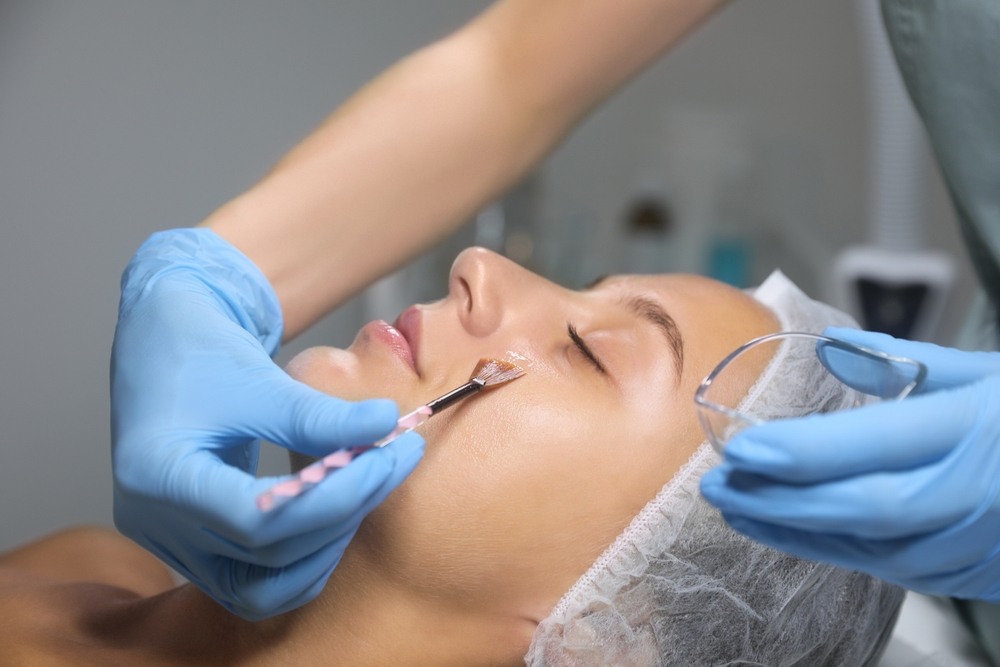
Best Chemical Peels for Oily and Acne-Prone Skin
Oily and acne-prone skin often produces excess sebum, which can combine with dead skin cells and contribute to blocked pores. Salicylic acid is commonly used in chemical peels for these concerns because it is oil-soluble and can penetrate into pores. It may help improve blackheads, whiteheads, and selected mild breakouts. Glycolic acid may also be considered for surface exfoliation and uneven texture. Severe or inflamed acne may require medical treatment rather than a chemical peel alone.
Suitable Chemical Peels for Dry Skin
Dry skin may feel rough, tight, or flaky because of reduced moisture and changes in the skin barrier. A gentler exfoliating formulation may help remove accumulated dead cells and improve surface smoothness. Lactic acid is sometimes considered because it offers exfoliating properties and can also support moisture retention. However, chemical peels can temporarily increase dryness, so the skin barrier should be assessed before treatment. Proper moisturising and avoiding excessive exfoliation are particularly important for this skin type.
Chemical Peel Options for Sensitive Skin
Sensitive skin can react more easily to exfoliating ingredients, leading to redness, stinging, dryness, or irritation. Some people may tolerate carefully selected superficial peels, but treatment should only be considered when the skin is stable and healthy enough. Lactic acid or mandelic acid may be options in selected cases because their properties can allow a gentler approach. However, no peel is automatically suitable for all sensitive skin. Active eczema, dermatitis, rosacea flares, or a damaged skin barrier may require treatment to be postponed.
Chemical Peels for Combination Skin
Combination skin typically has an oilier T-zone, including the forehead, nose, and chin, while the cheeks may be normal or dry. This variation can make treatment selection more complex. A balanced superficial peel may help improve overall texture and surface congestion without excessively drying other areas. In some cases, a clinician may recommend different approaches for specific facial regions. The aim is to address oily areas while protecting parts of the face that are more prone to dryness or sensitivity.
Best Chemical Peel Options for Uneven Skin Tone and Pigmentation
People with uneven skin tone may benefit from selected peels that encourage the shedding of pigmented surface cells. Glycolic acid and lactic acid can help improve certain superficial discoloration concerns, while other specialist formulations may be considered depending on the pigmentation type. Post-acne marks and some sun-related spots may respond differently from melasma. Darker skin tones require particular care because irritation can trigger post-inflammatory hyperpigmentation. Identifying the cause and depth of pigmentation is essential before selecting a peel.
Chemical Peels for Mature Skin
Mature skin may develop fine lines, roughness, dullness, and sun-related discoloration. Selected superficial and medium-depth peels may help improve these visible changes by exfoliating damaged outer cells and supporting skin renewal. Glycolic acid is commonly used for surface texture and fine lines, while stronger treatments may be considered for more pronounced concerns after assessment. Chemical peels cannot correct significant skin laxity or remove deep wrinkles, so expectations should reflect the treatment's limitations.
Factors to Consider Before Selecting a Chemical Peel
Skin type is only one part of choosing an appropriate treatment. A clinician should also consider medical history, current skincare products, previous reactions, and the condition of the skin.
- Skin sensitivity: Reactive skin may require a gentler formulation or a different treatment.
- Main concern: Acne, pigmentation, dryness, and fine lines may need different ingredients.
- Peel depth: Superficial, medium-depth, and deep peels have different effects and recovery requirements.
- Existing skin conditions: Eczema, rosacea, infections, and active irritation can affect suitability.
- Medication use: Some acne medications and skincare ingredients may increase sensitivity.
- Recovery expectations: Treatment should fit the patient's ability to follow aftercare and avoid excessive sun exposure.
A personalised assessment helps balance the expected improvement with the possibility of irritation and other complications.
Frequently Asked Questions About Choosing a Chemical Peel
Selecting the right chemical peel requires understanding how different ingredients interact with individual skin characteristics. The following answers address common questions about treatment suitability.
Which chemical peel is best for acne-prone skin?
Salicylic acid peels are often considered for acne-prone skin because they help exfoliate inside oil-filled pores. Suitability depends on acne severity, skin sensitivity, and professional assessment.
Is glycolic acid suitable for all skin types?
No. Glycolic acid can help improve dullness and rough texture, but its concentration and application must be adjusted according to skin sensitivity and condition.
Which chemical peel is suitable for sensitive skin?
Selected superficial peels containing ingredients such as lactic acid or mandelic acid may be considered for some sensitive skin types. However, active irritation or a weakened skin barrier may make treatment unsuitable.
Can dry skin benefit from a chemical peel?
Yes, some people with dry skin may benefit from gentle exfoliation. However, treatment should be carefully selected because excessive exfoliation can increase dryness and irritation.
Should I choose a chemical peel based on my skin type alone?
No. Skin type, pigmentation, acne severity, medical history, and current skincare products all influence treatment selection. A professional assessment provides a more appropriate recommendation.
Conclusion
The best chemical peel for your skin type depends on your individual concerns and how your skin responds to exfoliating ingredients. Salicylic acid may suit selected oily and acne-prone skin, while lactic acid or mandelic acid may be considered for certain dry or sensitive skin types. Glycolic acid can help address surface roughness, dullness, and selected signs of ageing. However, no single formulation works for everyone. Professional assessment, appropriate treatment strength, and careful aftercare help support safer and more balanced skin improvement